
GET TO KNOW US
Meet Peter

Peter

Peter's Story
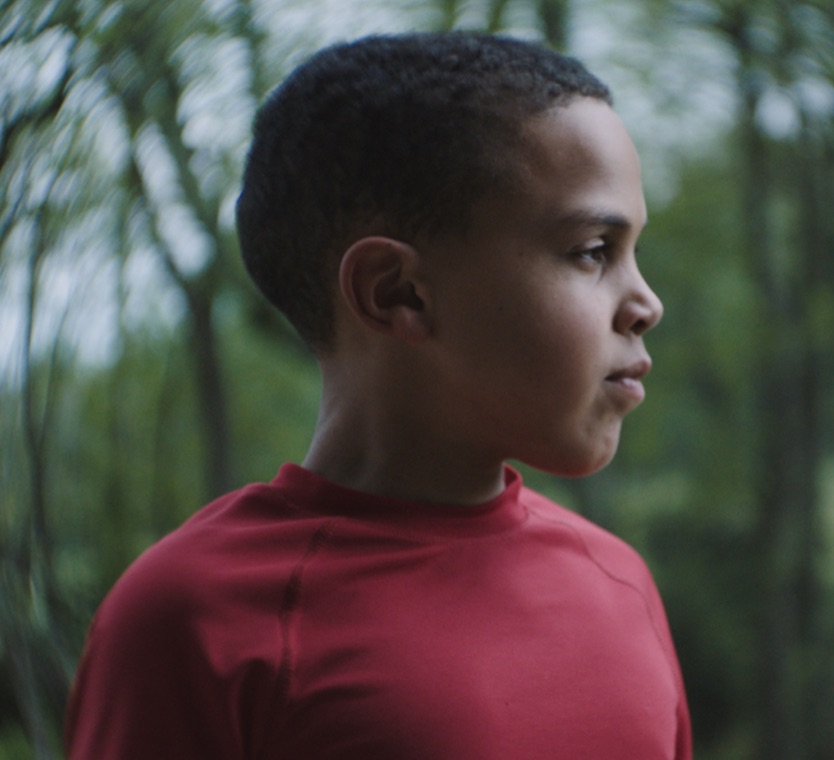
Peter is the loudest laugh in any room, the first to jump out of bed every morning, and the first to befriend every stranger we meet. He's endlessly curious, deeply affectionate, and fearless in his body — happiest climbing a tree, swinging across the monkeybars, or zooming down the path to school on his bike. Ask anyone who knows him and they'll tell you that Peter makes you smile.
Peter seemed perfectly healthy at birth - he fed well, slept well, and started hitting all of his milestones right on time. Then, around his first birthday, we noticed that his head started growing faster than the rest of him, and we learned that his liver was slightly enlarged too. His speech development stalled, and we discovered that he had moderate hearing loss. After months of seeing specialists and undergoing evaluations to put the puzzle of his symptoms together, Peter was diagnosed with Hunter syndrome (MPS II) in January 2019, at 19 months old.
Our family didn't waste a day. We immediately began researching available treatments, MPS experts, and clinical trials for promising new therapies. Peter briefly started weekly enzyme replacement therapy with Elaprase, and a few weeks later underwent a bone marrow transplant — his big sister Maddie, then just 4 years old, was his donor and biggest champion. It was an arduous process with an extended hospitalization and long recovery, but Peter's new bone marrow engrafted, giving his body its own small, steady source of the enzyme he'd been missing. Post-transplant, Peter started therapies - speech, physical and occupational therapy - in earnest to aid his development and build skills. While he made great strides and we loved watching his incremental progress, we knew that his body and - most importantly - his brain were not getting sufficient enzyme to fight this cruel disease or allow him to thrive.
In 2022, Peter was fortunate to be offered a spot in a clinical trial for an investigational medicine designed to do something that's long been out of reach for children with Hunter syndrome — access and treat his brain. This next generation enzyme replacement therapy was designed to be administered intravenously but then cross the blood-brain-barrier using a special molecular transport vehicle to reach the central nervous system and slow or stop Hunter syndrome’s damage. Peter has received weekly infusions ever since — first in a hospital bed with extra medications to help his body tolerate the new enzyme, and now curled up on our couch reading with Mom or Dad while a home infusion nurse administers it. In March 2026, that medicine — now called AVLAYAH — became the first FDA-approved treatment for the neurologic effects of Hunter syndrome. We are so proud of Peter for his role in making that possible, for himself and for all the other children and families in our Hunter syndrome community who can now benefit from this new treatment.
When Peter was first diagnosed as a toddler, we didn’t dare imagine a future in which Peter could be physically active, learning new skills, and loving life as he approached his 10th birthday. Through countless prayers, the dedication of researchers and clinicians to engineer incredible advances in medical science, and the advocacy efforts, perseverance and steadfast hope of the Hunter syndrome community that we now call family, we get to see Peter thriving today and to dream of a much brighter future.
Life with Hunter syndrome is intense — the procedures, the pokes, the hospital stays, the endless appointments — but through it all Peter has stayed true to himself: joyful, resilient, enthusiastic, friendly, and unbothered by Hunter syndrome or anything else that tries to slow him down. We are so proud of Peter, and so grateful for our family, friends, and the Project Alive community that have walked this road with us.
"Peter has taught our whole family about joy amidst trials — none of us gets to escape hard days, but we can show up for every one of them with a smile. We hope Peter’s story gives other families a bit more hope, and we won't stop working until every kid with Hunter syndrome has a shot at the future he deserves."
Katey & Andrew Hoffman


